














No items in cart
Currently you don't have any items added to your cart. Select some items then come back here to complete your purchase.
Go to shop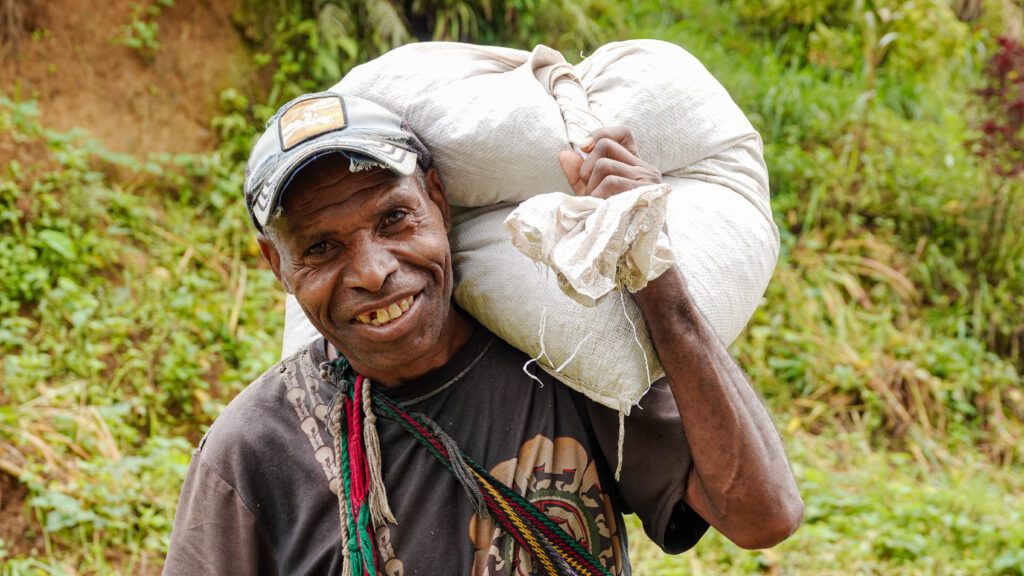
Coffee farmer Keri Koliki has had his livelihood transformed by MAF (credit: Aquila Matit)
As part of MAF’s ‘Help Grow Their Future’ campaign, we explore how MAF throws a lifeline to cut-off coffee farmers.
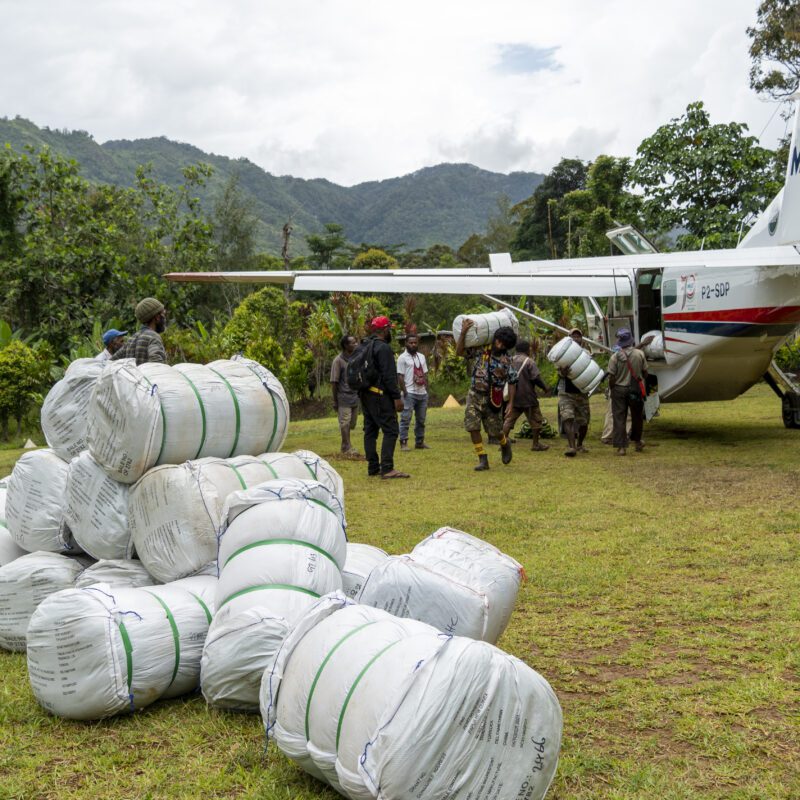
Thanks to MAF’s partnership with Papua New Guinea’s Coffee Industry Corporation (CIC), regular flights transport hundreds of sacks of dried, unroasted coffee beans from remote Karimui Airstrip to the provincial capital of Goroka in just 30 minutes.
It’s in towns like Goroka where produce is sold and hardworking coffee farmers finally get to enjoy the fruits of their labour.
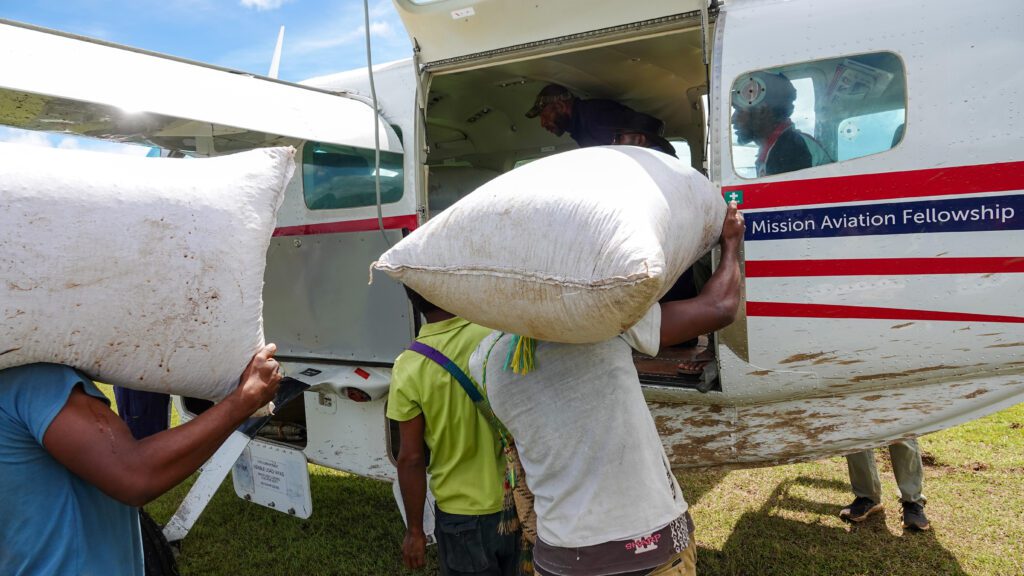
MAF flies coffee beans to market in 30 mins saving 3 days travel by land (credit: A. Matit)
Coffee and cacao are Papua New Guinea’s main cash crops, which employ half the country’s workforce (source: UN/IFAD).
Last month, PNG’s Prime Minister, James Marape, welcomed the announcement that PNG exported over 1.5 million bags of coffee in 2025, which he called a ‘historic’ achievement.
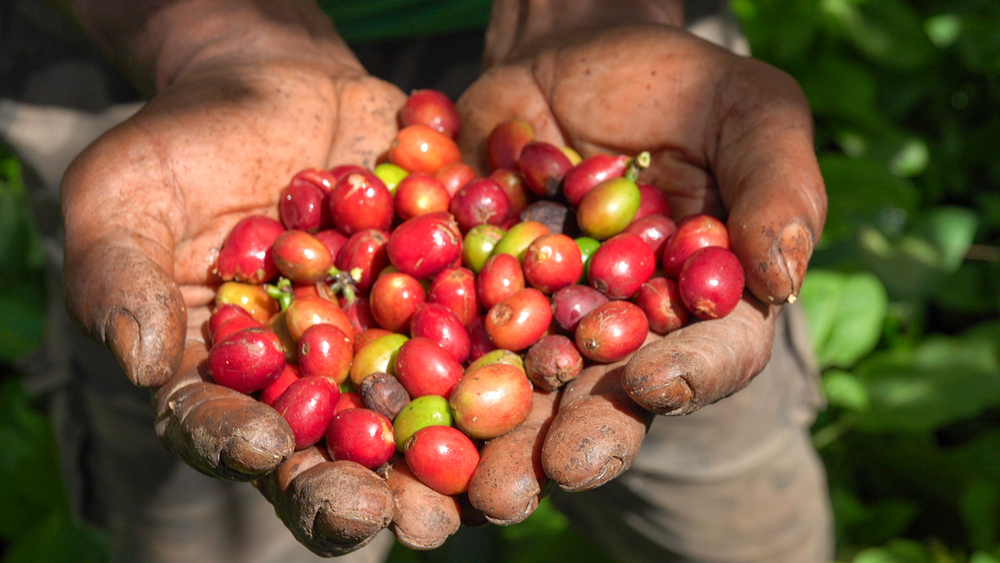
Coffee cherries are one of PNG’s main cash crops (credit: Aquila Matit)
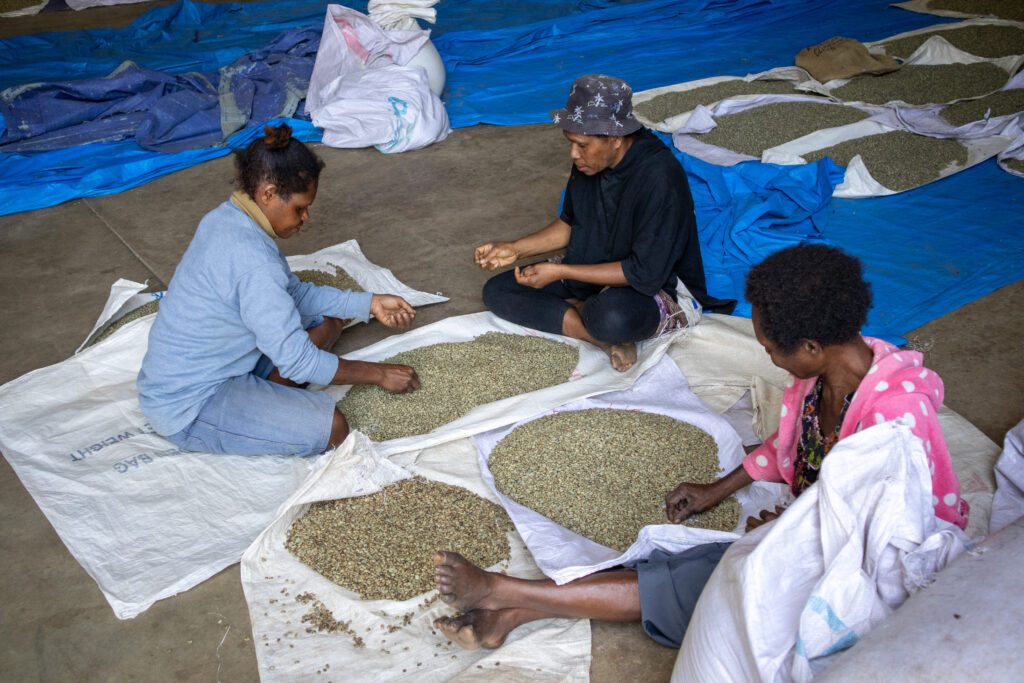
Cherries take several weeks to dry out before they are bagged (credit: Matt Painter)
But before MAF joined forces with PNG’s CIC in 1999, remote coffee farmers would labour in vain.
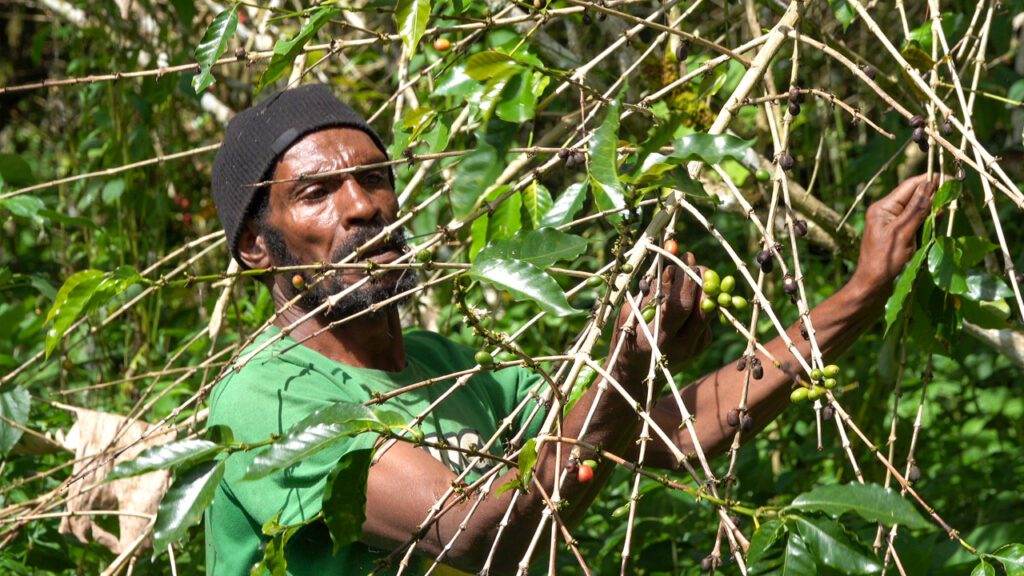
Before the MAF /CIC partnership, coffee farmers laboured in vain (credit: Aquila Matit)
Getting produce to market from Karimui to Goroka overland takes three days. Carrying sacks for two days on foot, followed by another day by truck simply wasn’t feasible.
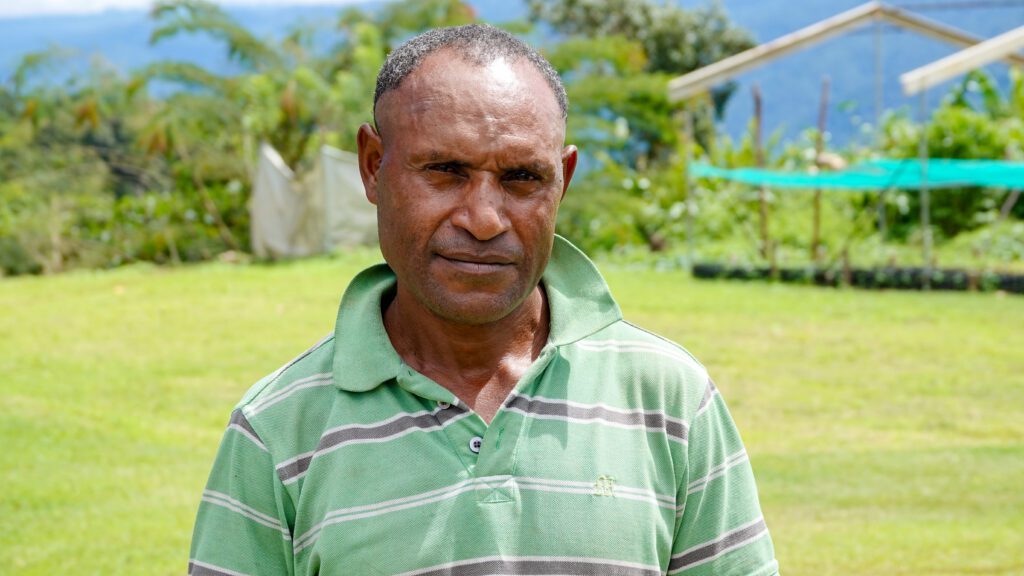
Gobu Oropha relies on MAF to transport his coffee beans to market (credit: Matt Painter)
Coffee farmer and land mediator Gobu Oropha recalls the devastating loss of 1975:
‘There’s no road, so without planes, there’s no way out.
‘In the past, when flights were scarce, coffee beans spoiled, so farmers burned them. It was a great loss for them.
‘In 1975, we had bags of coffee beans under tarpaulin alongside Karimui Airstrip, waiting for transport. That coffee was burned because no planes came.’
Gobu Oropha – coffee farmer & land mediator who benefits from MAF flights
But thanks to regular MAF flights, Karimui’s farmers are transporting up to 400 50kg bags of coffee beans to market every season.
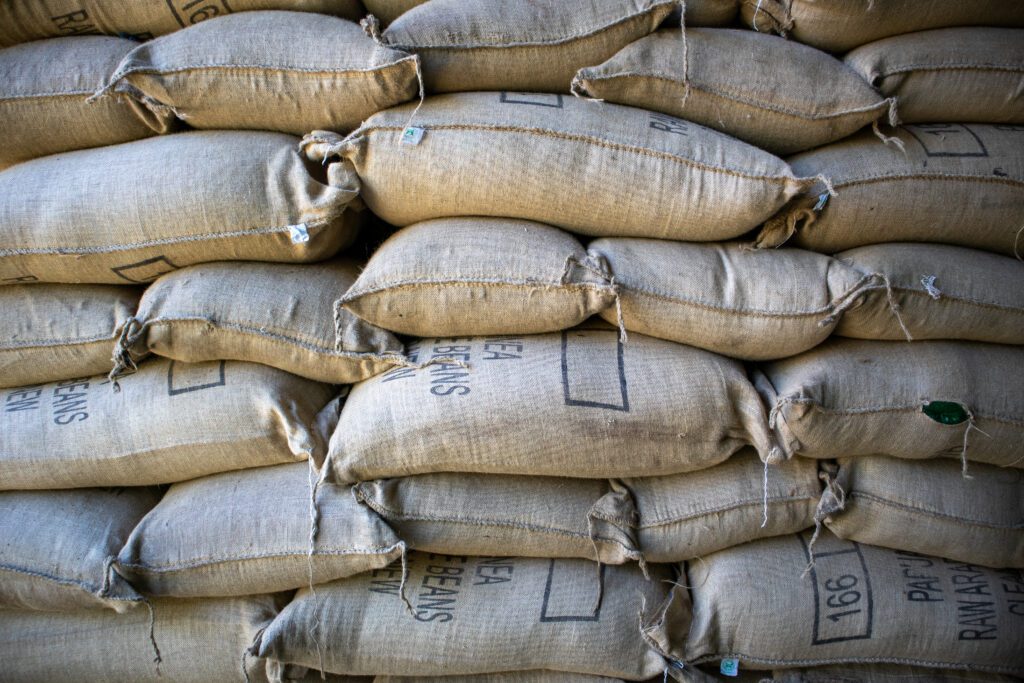
MAF flies up to 400 bags of dry coffee beans to market every season (credit: Matt Painter)
Without MAF, transportation simply wouldn’t be possible, says Gobu:
‘MAF helps us take the coffee bags out to be sold. When the plane flies out a good amount of coffee, we receive a good sum of money. It supports me financially and helps me solve my problems.
‘When MAF flies my bags of beans to Goroka, the income supports my children. This kind of cash pays for their school fees, books, and clothes.
‘Without planes, we would struggle. There’s no other way for me to earn money. It is only possible to deliver my coffee by plane. There are no vehicles because there are no roads. I thank God for MAF – they make a huge difference in this country.’
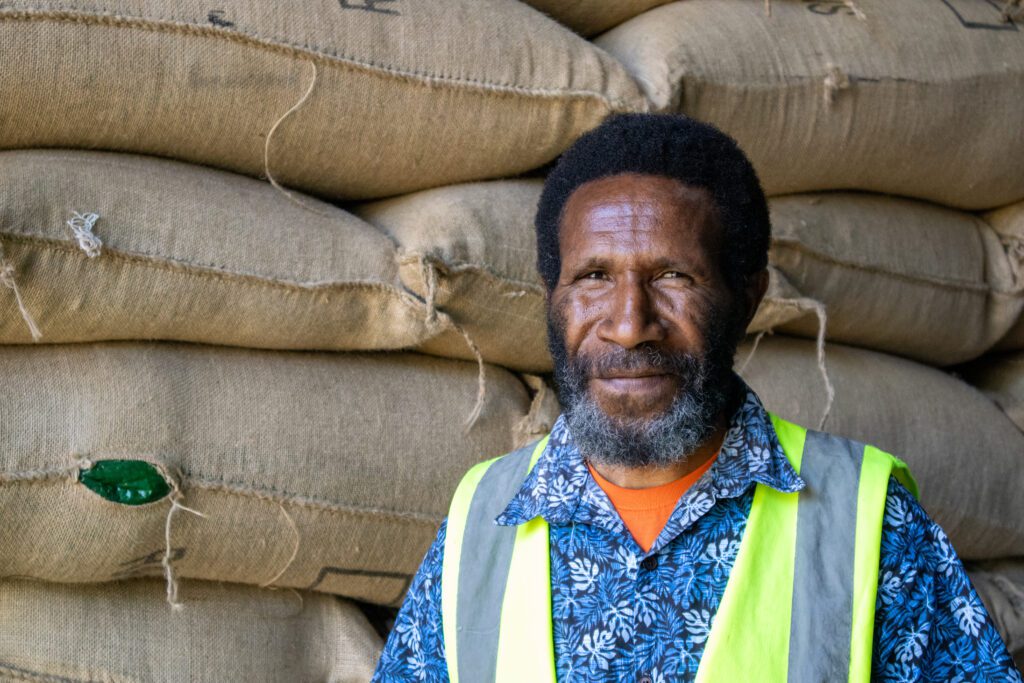
CIC’s Kolen Komo: ‘Farmers’ living standards have improved’ (credit: Matt Painter)
Kolen Komo is CIC’s Freight Coordinator. He testifies to Karimui’s transformation thanks to their partnership with MAF:
‘Our farmers used to face a huge challenge regarding the transportation of coffee from remote areas. They produced a large volume of coffee, but they were forced to burn many bags of beans because it was hard to bring their coffee out.
‘Only those who were financially able could hire youths from the community to carry them out of Karimui on foot, but it would take them days to reach the main road. They would sleep along the way.
‘That’s why we have put the freighting programme in place – we subsidise the freight cost for our farmers. We ensure that coffee beans reach markets. MAF fly there now, and farmers have the chance to transport their coffee quickly. All the coffee is flown to town and sold for better prices.
‘Thanks to this partnership, farmers’ living standards have improved. The impact is huge! Coffee is not left to spoil and get burnt. It’s no longer wasted.’
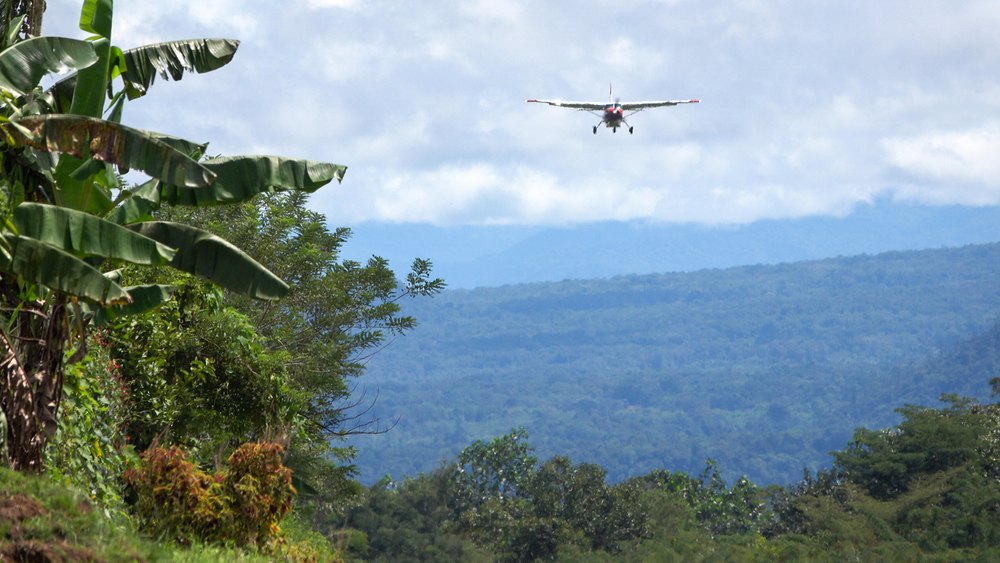
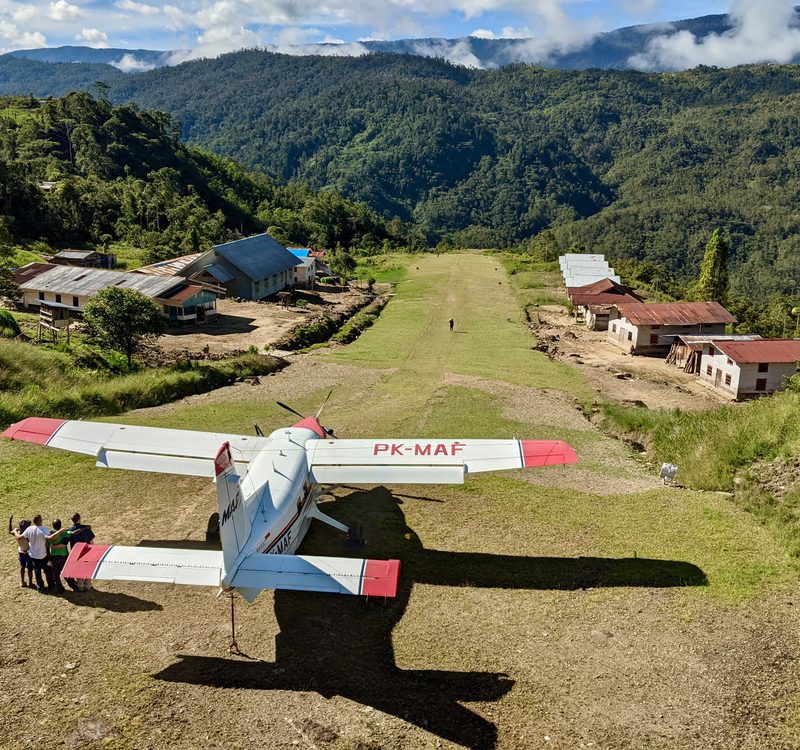
A MAF plane prepares to land in Karimui (credit: Aquila Matit)
Your generous support will keep MAF flying coffee to market so that the people of Karimui will thrive, not just survive.
Mission Aviation Fellowship (MAF) is the world’s largest humanitarian air operator. For over 80 years we have been flying light aircraft over jungles, mountains, swamps and deserts. We enable more than 1,500 aid, development and mission organisations to bring medical care, emergency relief and long-term development. Our pilots and personnel deliver relief workers, doctors, pastors, school books, food, medicines - everything that can only be safely and speedily delivered by air. Our faithful supporters give and pray to make this all possible.
© 2026 / MAF UK is a registered charity in England and Wales (1064598) and Scotland (SC039107)
