
















No items in cart
Currently you don't have any items added to your cart. Select some items then come back here to complete your purchase.
Go to shop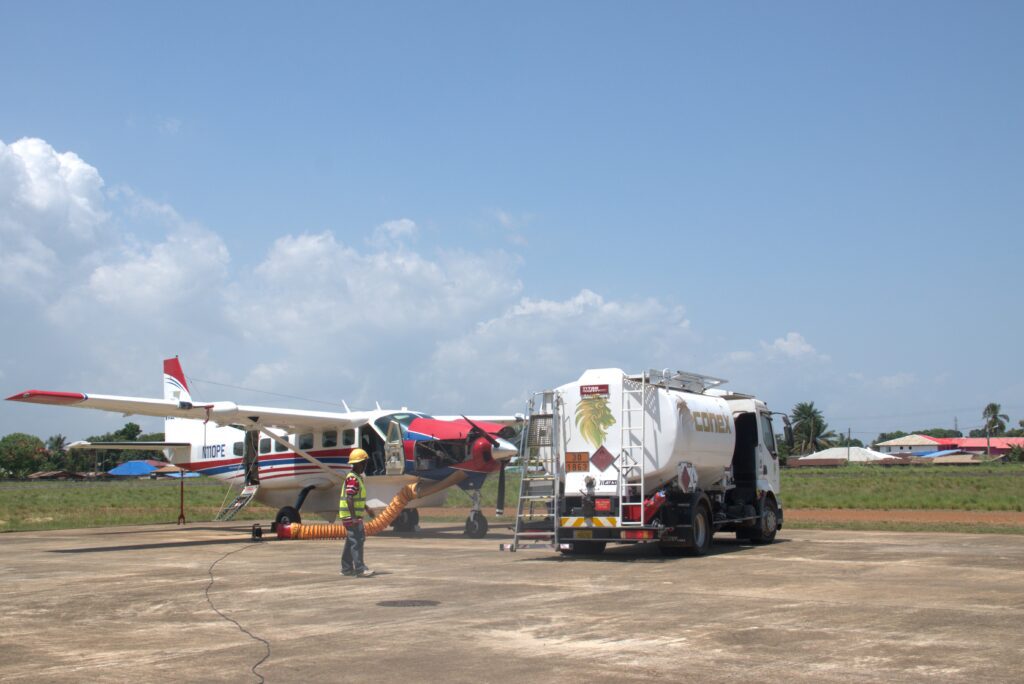
The cost of JETA1 fuel in Liberia has increased by more than 60% (credit: Rachel Gwole)
Before the Iran War broke out, it cost MAF an average of £1,443 to fuel a Cessna 208 Caravan – a typical aircraft in MAF’s fleet. Now it costs £1,899, which is an increase of 31.5%.

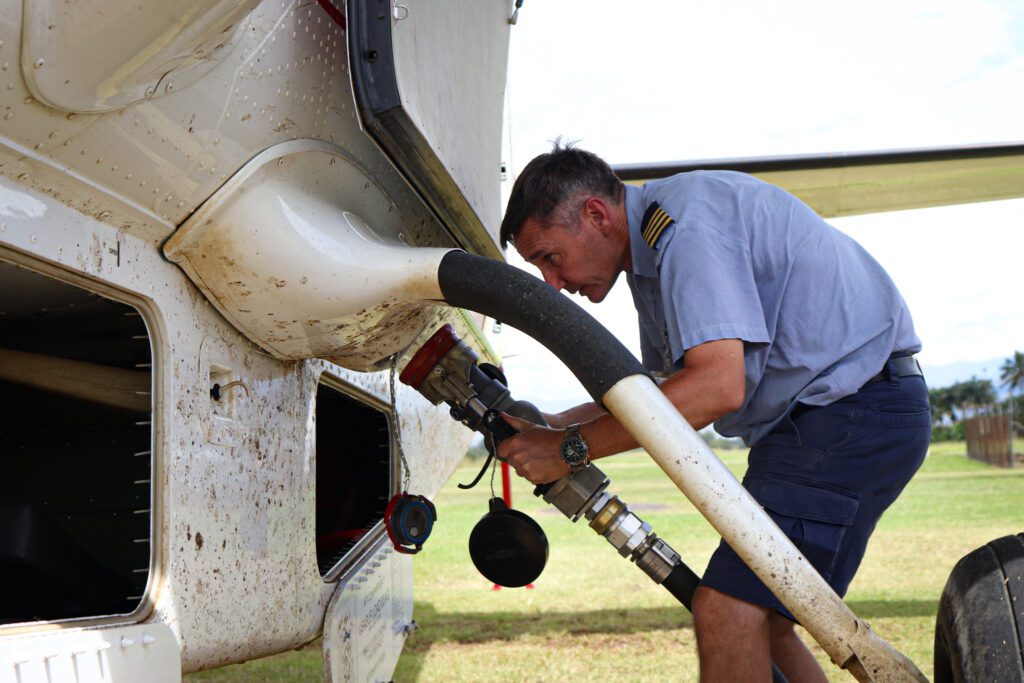
Pilot Philipp Techand refuels a C208 Caravan in Arnhem Land (credit: Joshua Oliver)
According to the International Energy Agency, around a quarter of the world’s seaborne supply of crude oil and oil products – including jet fuel – are shipped across the Strait of Hormuz in the Middle East.
Since the Strait of Hormuz first closed at the beginning of March, oil supply has been severely disrupted, causing an unprecedented hike in fuel costs. Some MAF programmes were reporting more than a 50% increase in a matter of days.
During the April to May 2026 period, the cost* of aviation fuel in many MAF programmes has increased as follows:
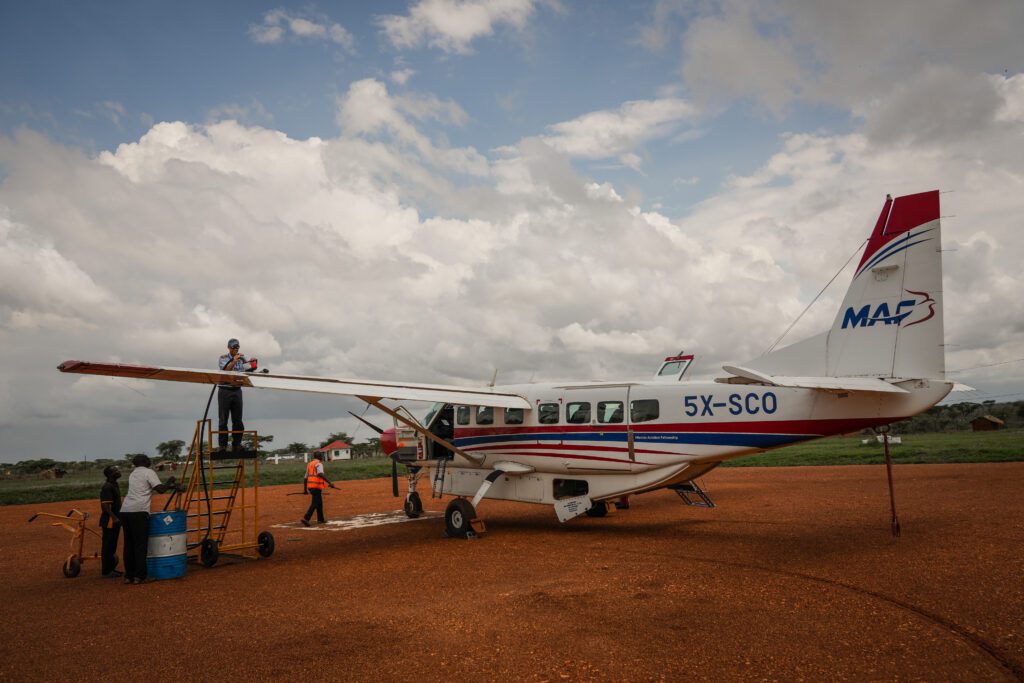
The cost of AVGAS in Uganda has soared by nearly 60% (credit: Matthew Schroeder)
In Chad, JETA1 aviation fuel increased by 8% to US$1.13 per litre
In Guinea, JETA1 aviation fuel increased by 51% to US$2.84 per litre
In Kenya, JETA1 aviation fuel increased by 88% to US$1.79 per litre
In Liberia, JETA1 aviation fuel increased by 61% to US$2.00 per litre
In Madagascar, JETA1 aviation fuel increased by 74% to US$2.53 per litre
In South Sudan, JETA1 aviation fuel increased by 65% to US$1.90 per litre
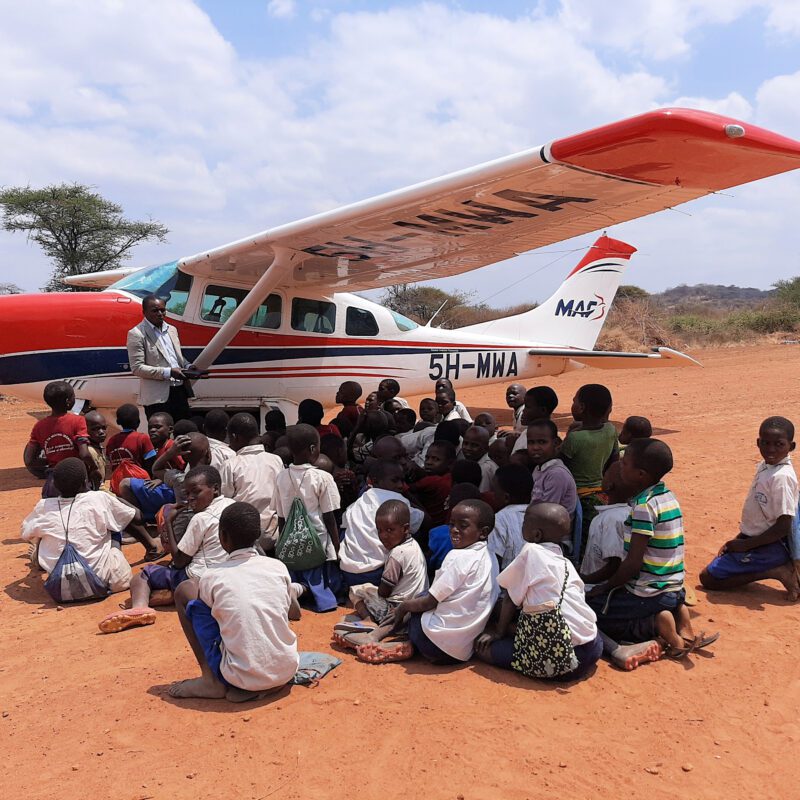
In Tanzania, JETA1 aviation fuel increased by 75% to US$1.67 per litre
In Uganda, AVGAS aviation fuel increased by 58% to US$2.65 per litre
In response to the astronomical fuel hike, Madagascar called a two-week state of emergency. The African island relies on oil from Oman, which is south of the Strait of Hormuz.
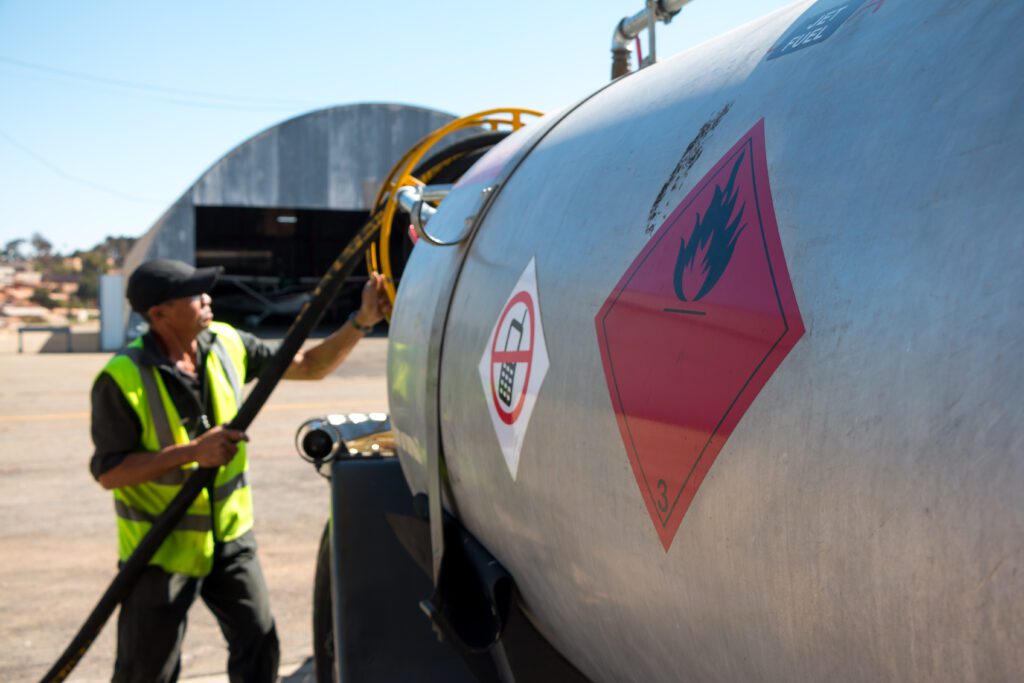
Madagascar declared a state of emergency over fuel shortages (credit: Kelly Hewes)
In Arnhem Land, JETA1 aviation fuel increased by 51% to US$2.79 per litre
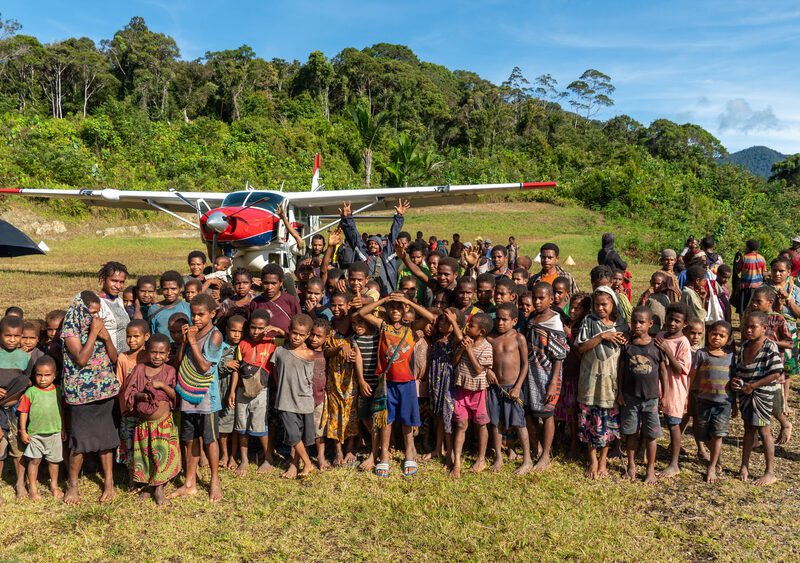
In Papua New Guinea, JETA1 aviation fuel increased by 64% to US$2.00 per litre
In Timor-Leste, AVGAS aviation fuel increased by 17% to US$2.75 per litre
*Please note that this MAF data is a snapshot in time, with fuel prices constantly fluctuating.
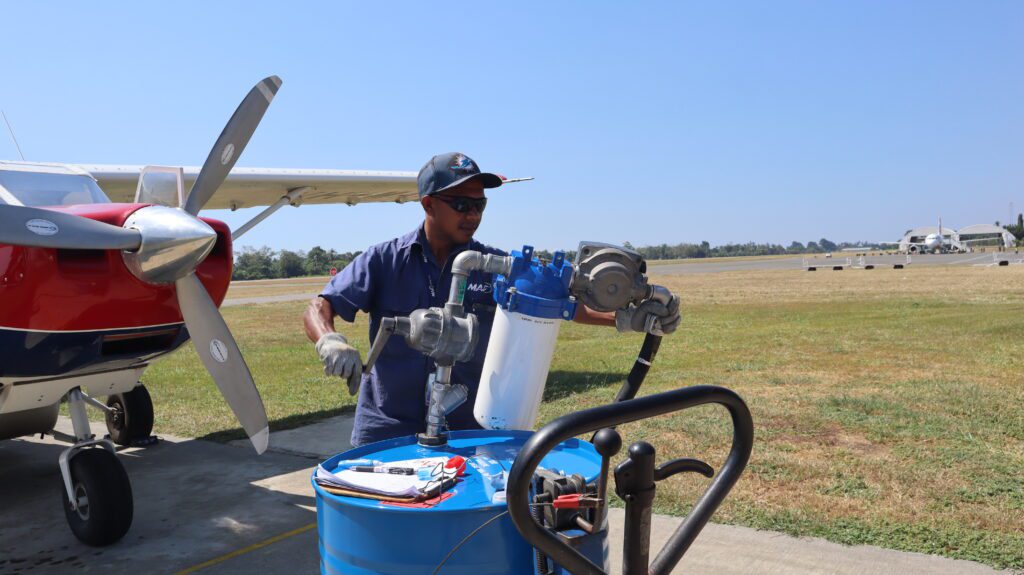
MAF’s Yohanes da Costa Silva refuels MAF’s plane in Timor-Leste (credit: Lobitos Alves)
Despite the global fuel crisis, MAF International’s CEO Donovan Palmer, is determined to continue delivering help, hope and healing to the world’s most isolated people:
‘In most of the low-income countries where MAF provides a humanitarian air operation, the price of fuel has risen by at least 50%, and there are indications of more increases on the way which is a real concern.
‘Most of us are deeply worried about fuel costs, but MAF’s flying literally means life or death for some of the world’s most isolated communities. Therefore, we can’t stop and won’t stop flying. We are doing everything we can to continue providing a lifesaving service for the world’s most isolated communities.
‘Delivering healthcare, development and essential supplies is a top priority, but the current fuel crisis could put severe pressure on our ability to provide essential connections for the world’s most vulnerable in the near future.’
Donovan Palmer, CEO of MAF International
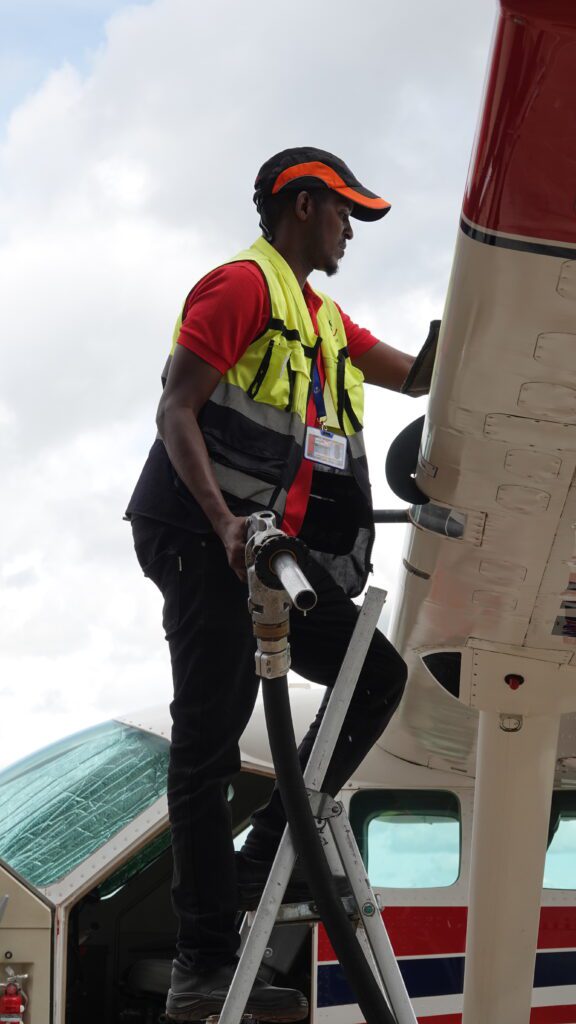
MAF Kenya has been worst hit with fuel increases up to 90% (credit: Hillim Gitonga)
MAF Kenya has been hardest hit by the fuel crisis, which has seen a staggering increase of 88%. Operations Manager Caleb Likhanga, explains:
‘A caravan aircraft burns approximately 180 litres of fuel per hour of flying, so that becomes a major component of the cost of a flight. But with the onset of war in the Middle East, we’ve seen a sharp rise in pricing, averaging 70% to 90% of the cost of fuel.
‘This is unsustainable given our limited funding. We are struggling to offer the same flights to our partners who serve people in the remote locations of Kenya. So, we would really appreciate people of goodwill who can step forth to support us with absorbing the fuel increase that has come about because of the war in the Middle East.
‘It is our desire to continue offering the same flight services that we offer our partners, because we still have pockets of Kenya that have not heard of the Gospel and are isolated and in need.’
MAF pilot Andy Symmonds in Papua New Guinea echoes Caleb’s concern:
‘In the past we’ve experienced fuel shortages that have greatly impacted travel for remote communities, especially when prices increased due to the rising cost of imported fuel. So, we are a bit concerned about the fuel situation.
‘We do some revenue-generating flights each year, but the work of MAF generally relies on MAF supporters so that we can buy fuel. If fuel becomes unavailable, we may have to stop flying.
‘We’re very grateful to everyone who supports MAF, particularly in Papua New Guinea. It makes a big difference in whether we’re able to keep flying or not. Without your support, we wouldn’t be able to do much.’
Andy Symmonds: ‘If fuel becomes unavailable, we may have to stop flying’ (credit: K. Bell)
MAF Country Director Lisa Blomberg, shares about the situation in Guinea:
‘Here in West Africa, over the last few weeks, fuel prices have increased by more than 50%. But MAF are standing in the gap.
‘We want to continue serving our partners, our mission, our church partners, and help our humanitarian and development workers get to the places they need to go to, and serve the population.
‘We are so grateful to you our supporters for helping MAF stand in the gap to continue our critical flight services, to continue serving our partners, and ultimately to show the love of Christ here in West Africa.’
MAF pilot Roshan Stephen in Tanzania, says the global fuel crisis could exacerbate the global health crisis:
‘Every day, fuel is what makes these flights possible. It’s what allows us to reach remote communities with medical care, transport health workers, deliver supplies, and help people get the urgent support they need, but right now, we’re facing a serious global health crisis.
‘In some places, fuel costs have increased dramatically in just a matter of days and it’s putting huge pressure on aviation operators like us. The difficult reality is this: when MAF aircraft cannot fly, communities are left completely cut off. That’s why every flight matters right now.
‘Fuel might seem like a simple thing, but for the people we serve, it can mean access to healthcare, safety and hope. In a time of global crisis, your gift could generously help keep lifesaving flights in the air. Please help keep our planes flying to reach isolated communities. Thank you for standing with us in this crisis.’
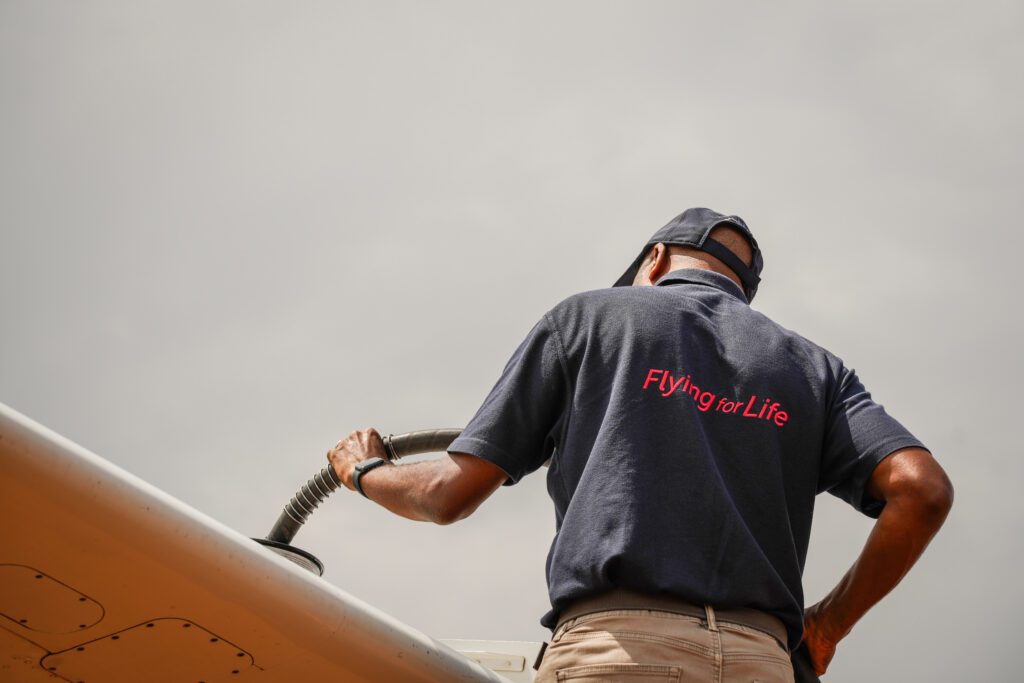
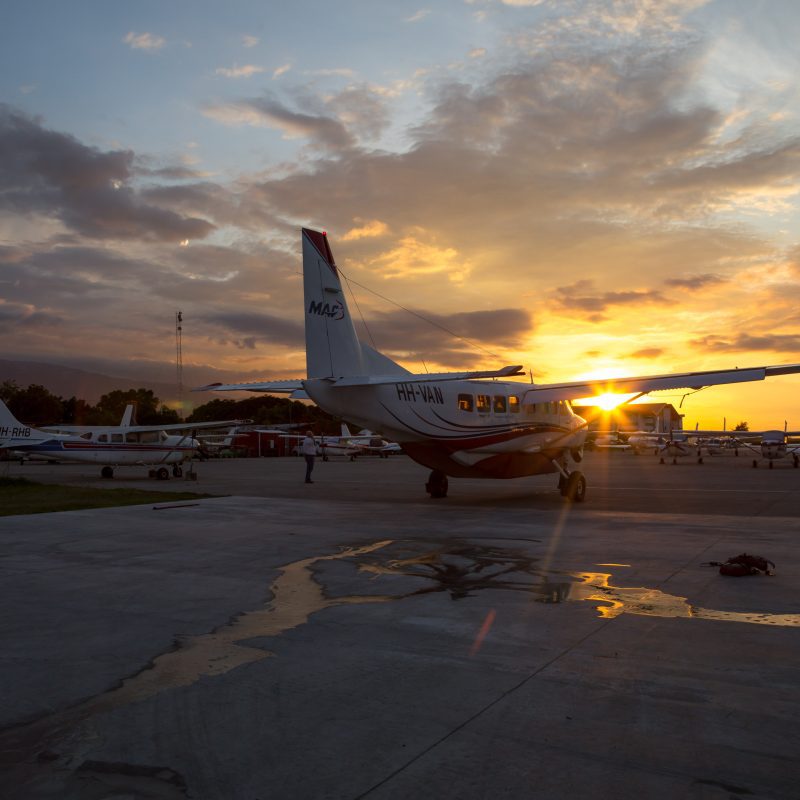
Fuel powers every single one of MAF’s life-changing flights (credit: Matthew Schroeder)
Thank you for supporting MAF’s fuel campaign.

Please donate or continue to discover even more stories of how and where we are transforming lives around the world here.
Mission Aviation Fellowship (MAF) is the world’s largest humanitarian air operator. For over 80 years we have been flying light aircraft over jungles, mountains, swamps and deserts. We enable more than 1,500 aid, development and mission organisations to bring medical care, emergency relief and long-term development. Our pilots and personnel deliver relief workers, doctors, pastors, school books, food, medicines - everything that can only be safely and speedily delivered by air. Our faithful supporters give and pray to make this all possible.
© 2026 / MAF UK is a registered charity in England and Wales (1064598) and Scotland (SC039107)
